



2026-07-18
Production done doesn't mean the deal is done. What really worries you is the invisible road ahead.
From the factory, your mats go through sea freight, customs clearance and inland transport before reaching you. If any single link fails, months of waiting can turn into a damaged shipment. The opening scenes buyers fear are always the same few: scratched mat surface, deformed rolled edges, torn cardboard exposing the mat.
And the cost goes far beyond surface damage: claims eat up time and energy, replacement means waiting months again. What makes it worse is that responsibility is often impossible to pin down — too many links, too long a journey, so which link damaged the goods is hard to trace, and it often ends in a three-way dispute among factory, forwarder and buyer.
Packing a roll mat is not "putting it in a carton and done" — it's built layer by layer — thickened cardboard, plastic bag, wooden frame — according to each roll's dimensions. Every layer answers a real risk that exists on the road.
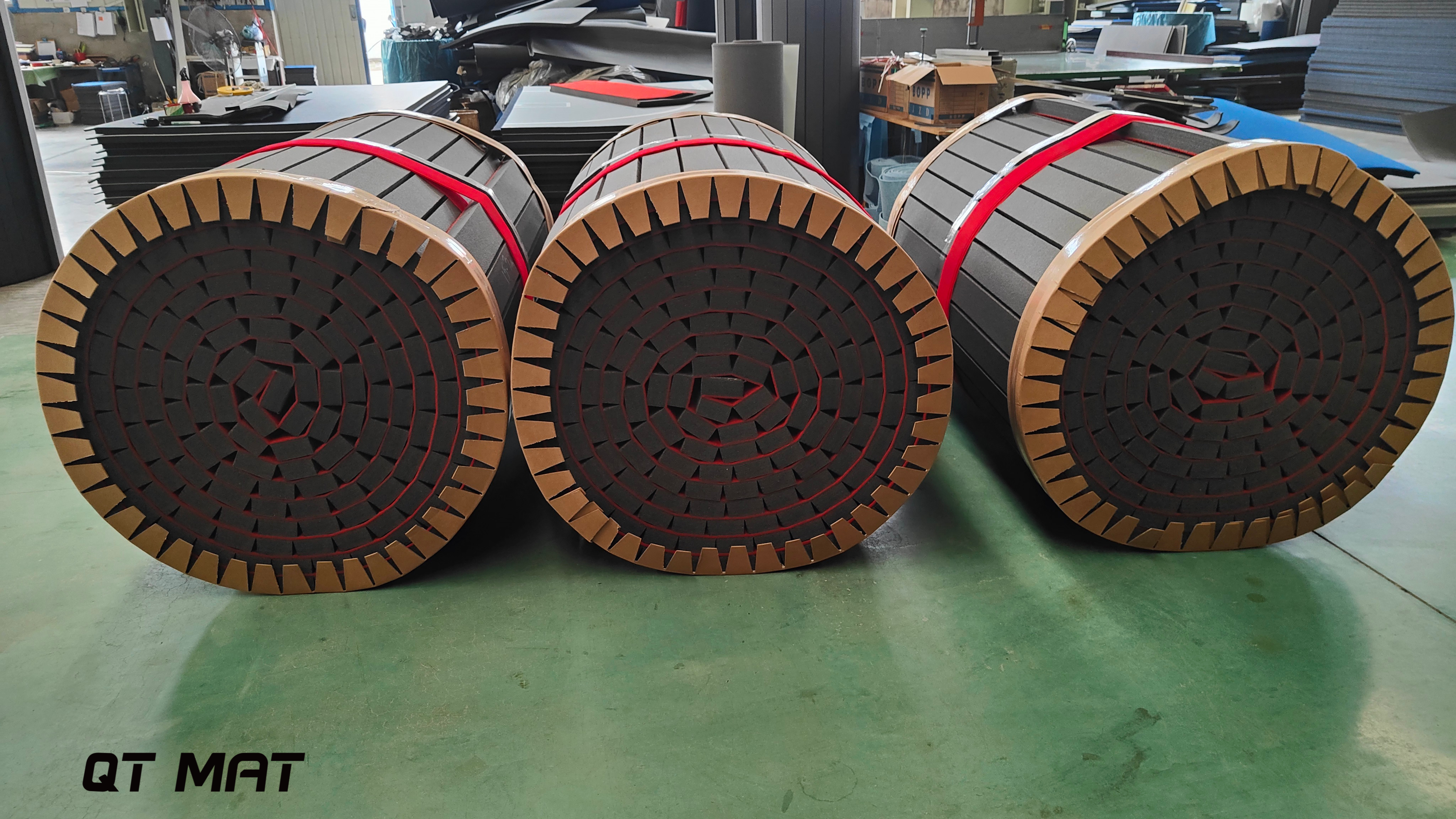
Thickened cardboard — wrapping every roll completely
The buffer shell that takes the bumps

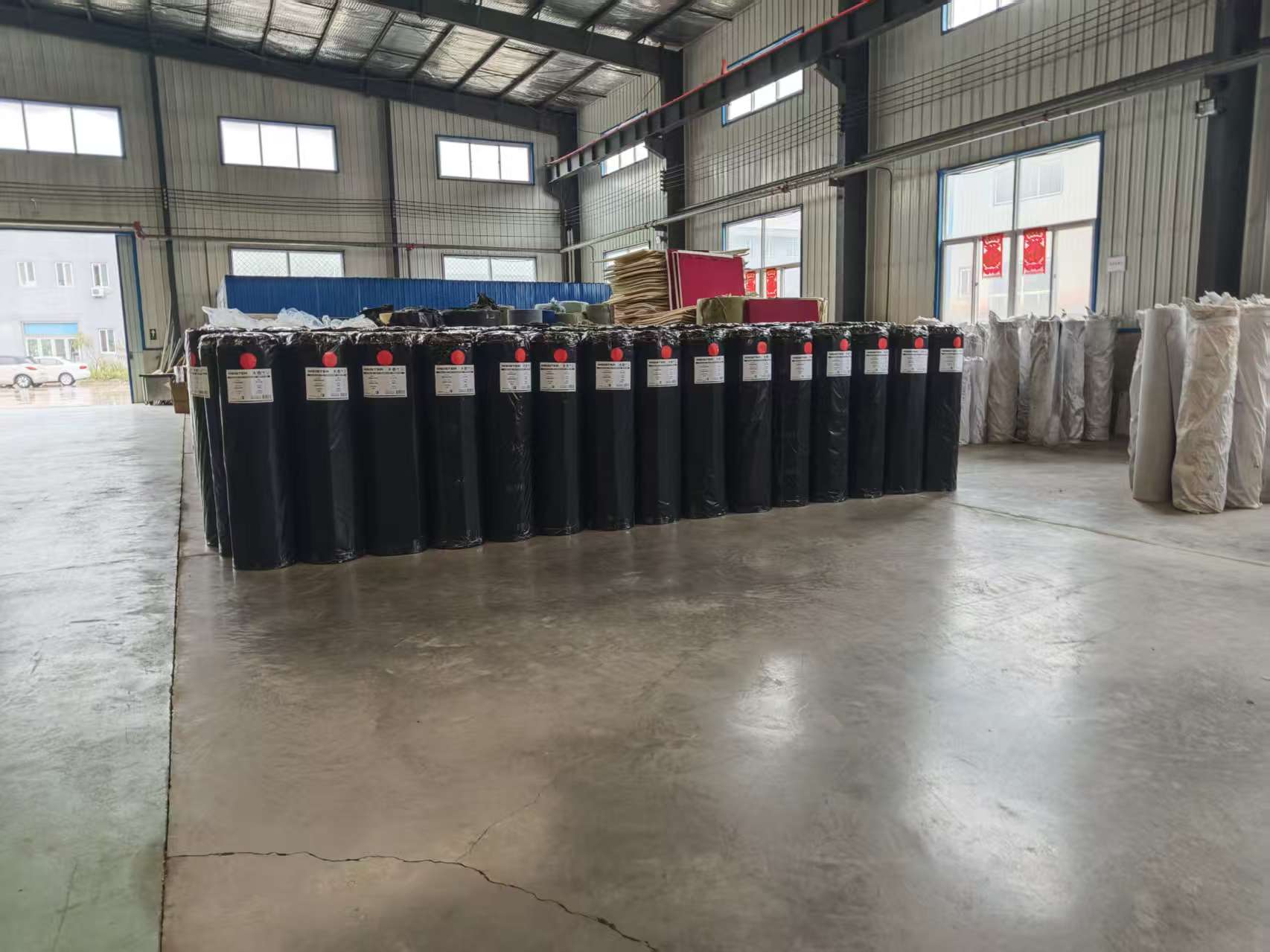
Plastic bag — keeping moisture and dust out
The barrier for sea freight conditions

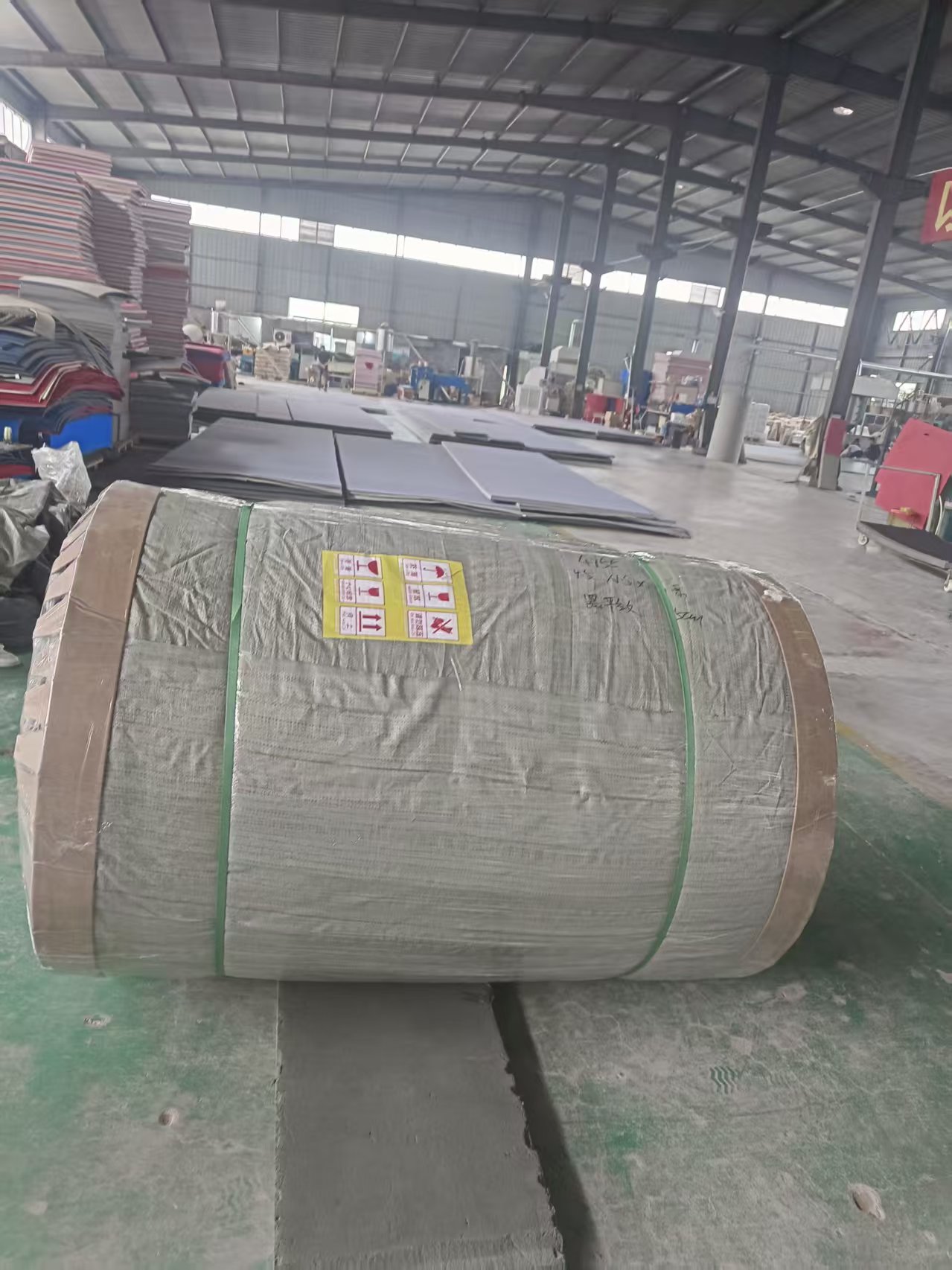
Wooden frame — bearing the weight, steadying the roll
The structure that carries the container load

Q: Do the thickened cardboard, plastic bag and wooden frame increase shipping cost?
Packing cost is a tiny share of the total goods value, but it brings a dramatic drop in damage rates. The cost of one claim, replacement and delay is far higher than the packing itself. It's an investment that pays off.
Q: Can a wooden frame be used for LCL (less-than-container-load) shipping?
Yes. LCL packing plans are reinforced for mixed-loading conditions, so your goods stay safe sharing a container with other cargo.
Q: Can the packing be adjusted to our requirements?
Yes. If you have specified packing requirements or transport methods, QT MAT will design the packing plan accordingly.
Packing is the last step before shipment. A mat made perfectly but arriving damaged is as good as not made at all. So QT MAT packs thicker and steadier — cardboard buffer, moisture-proof bag, wooden frame — every roll packed to the same standard.
Ordering is simple: tell QT MAT your sizes, thickness and delivery address — we'll send you the quote and packing plan together, so you know exactly how your mats will be protected before you place the order.
Ready to order? Tell QT MAT your sizes, thickness and delivery address — we'll send you the quote and packing plan right away.
Email: qtmat@qt-technology.com
WhatsApp: +86-13392047824
Contact QT MAT →


