



2026-07-18
Selecting the right mats for your dojo is crucial for creating a safe, functional, and professional training environment. Whether you’re setting up a new dojo or upgrading your existing space, choosing between XPE roll out mats, judo tatami mats, and EVA puzzle mats can be challenging. Here’s a guide to help you make the best decision for your dojo.
Before choosing mats, consider the specific needs of your dojo:
Training Style: Different martial arts require different types of mats. For example, judo and Brazilian jiu-jitsu need thick, shock-absorbent mats, while karate or taekwondo may require firmer surfaces.
Space Size: Measure your dojo’s floor space to determine how many mats you’ll need and what size will fit best.
Budget: Determine your budget, including installation and maintenance costs.
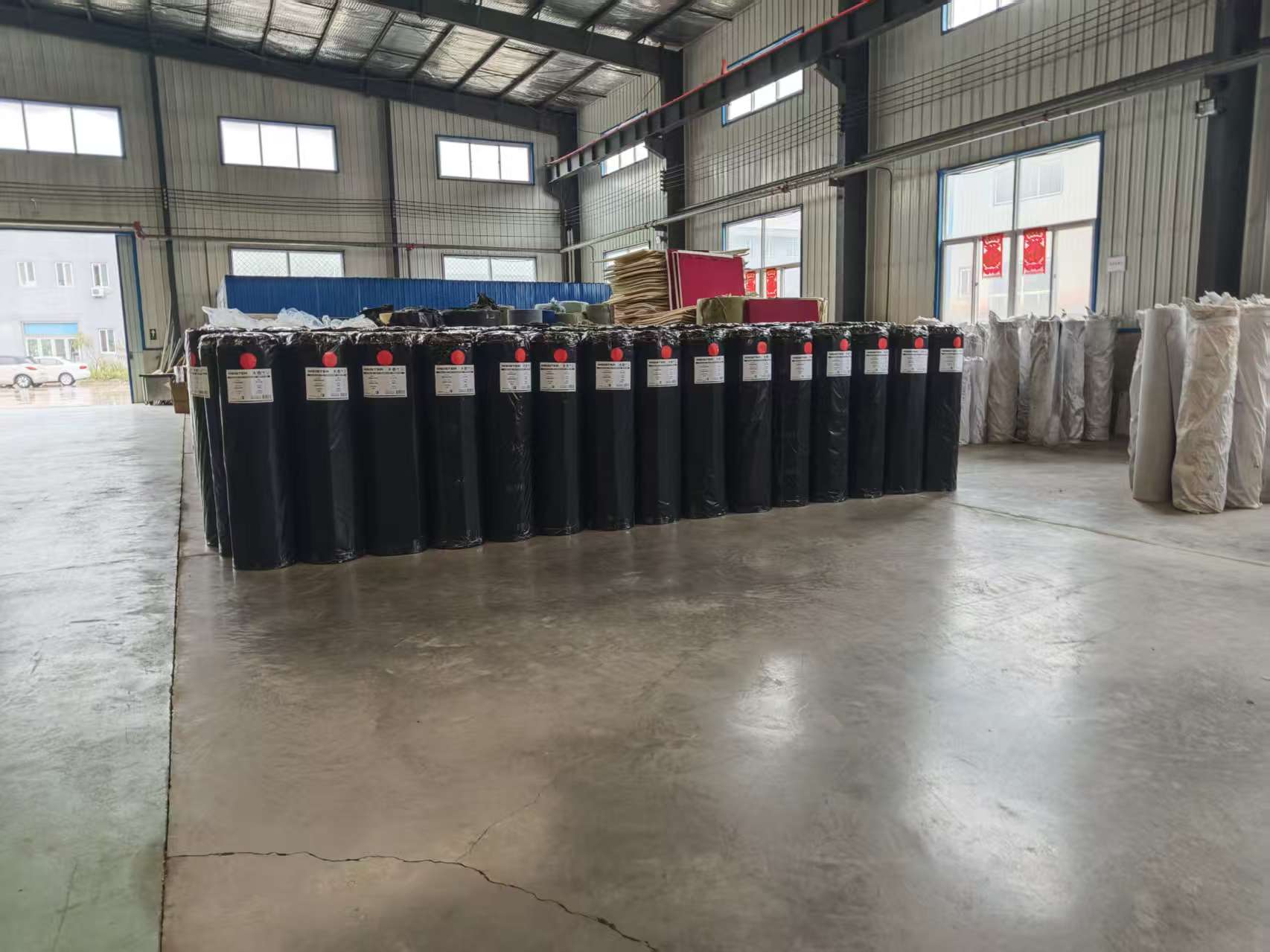
XPE (Cross-Linked Polyethylene) foam mats are lightweight, durable, and easy to install. Here’s why they might be the right choice for your dojo:
Shock Absorption: Excellent for high-impact activities like throws and takedowns.
Portability: Easy to roll out and store, making them ideal for multi-purpose spaces.
Durability: Resistant to moisture, chemicals, and UV rays.
Thickness: May not be thick enough for certain high-impact disciplines.
Aesthetic: Limited design options compared to traditional tatami mats.
Dojos with limited space or multi-purpose facilities.
Martial arts that require moderate cushioning, such as aikido or kickboxing.
Judo tatami mats are the gold standard for martial arts training, especially for disciplines like judo, Brazilian jiu-jitsu, and wrestling.
Shock Absorption: Designed to absorb impact, protecting athletes during throws and rolls.
Authentic Feel: Provides the traditional look and feel of a professional dojo.
Durability: Built to withstand heavy use and high-impact training.
Cost: Typically more expensive than other types of mats.
Installation: May require professional installation and regular maintenance.
Dojos focused on judo, Brazilian jiu-jitsu, or other grappling arts.
Professional training facilities that prioritize authenticity and performance.
EVA (Ethylene Vinyl Acetate) puzzle mats are versatile, affordable, and easy to assemble. Here’s why they might be a good fit for your dojo:
Customizable: Can be easily assembled and disassembled to fit any space.
Shock Absorption: Provides adequate cushioning for most martial arts.
Affordability: Generally more budget-friendly than tatami mats.
Durability: May not withstand heavy use as well as XPE or tatami mats.
Aesthetic: Lacks the traditional look of tatami mats.
Smaller dojos or home training spaces.
Martial arts that require moderate cushioning, such as karate or taekwondo.
Thickness: Choose mats with appropriate thickness for your training style. Thicker mats (1-2 inches) are better for high-impact activities.
Surface Texture: Look for non-slip surfaces to ensure safety during training.
Maintenance: Consider how easy the mats are to clean and maintain.
Aesthetic: Choose mats that match the look and feel of your dojo.
Choosing the right mats for your dojo depends on your training style, space, and budget. XPE roll out mats offer portability and durability, judo tatami mats provide authenticity and superior shock absorption, and EVA puzzle mats are versatile and affordable. By assessing your needs and considering the pros and cons of each option, you can create a safe and professional training environment for your students.
If you need further assistance or have specific questions, feel free to reach out!


