



2026-07-18
With the rapid development of gyms, martial arts academies, and school sports facilities, wall padding has become an essential safety feature. It effectively absorbs impacts from throws and collisions, reduces the risk of injuries, and protects walls, providing a safer and more professional training environment for athletes of all levels.
Wall padding is commonly available in 180 × 60 cm and 150 × 60 cm, with thickness options of 3 cm, 4 cm, and 5 cm. Thicker panels provide superior cushioning and are ideal for high-intensity martial arts practices, while thinner options can be used for general safety and low-impact training areas.
For youth training areas, 150 × 60 cm panels are recommended to ensure both safety and flexibility. Adult or high-intensity training areas typically use 180 × 60 cm panels with thicker padding for better impact absorption. Selecting the correct size and thickness ensures the wall padding provides optimal protection while fitting the available wall space.
When choosing wall padding, consider the type of training, the wall height, and any structural features such as columns or corners. Additionally, QT MAT supports custom logo printing, allowing gyms and dojos to maintain a consistent brand image and create a professional, visually appealing training environment.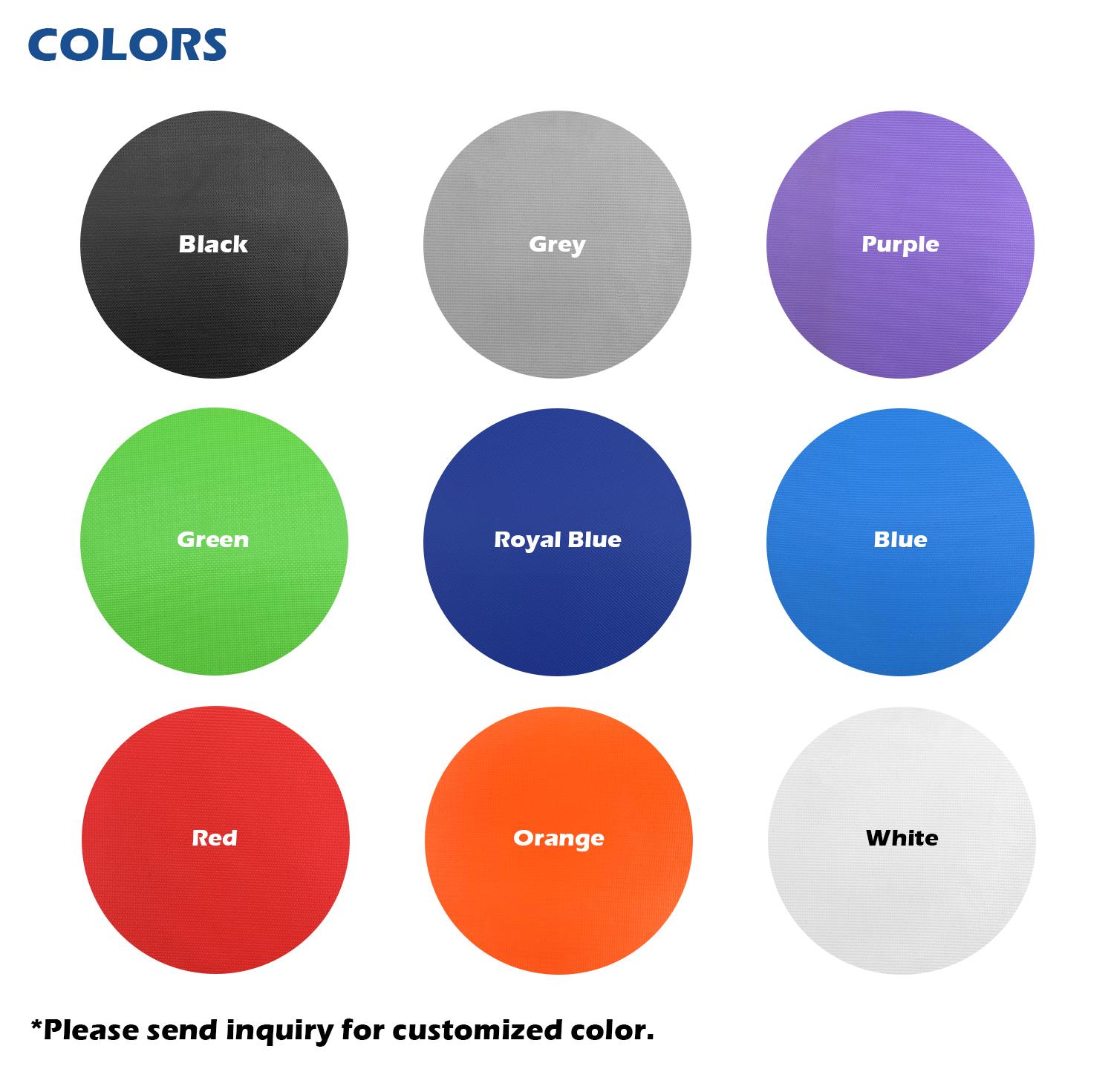
By selecting the right specifications and following proper installation procedures, wall padding can significantly enhance safety, comfort, and aesthetics in any training environment. These protective measures reduce injury risks, improve athlete confidence, and create a professional atmosphere conducive to effective and safe practice.
High-quality wall padding not only provides reliable safety for practitioners but also adds a polished look to training spaces, making it suitable for dojos, gyms, and school sports facilities alike. The combination of durability, customizability, and ease of maintenance ensures long-term value for any training environment.


